
Clean water at school, every day.
A reverse-osmosis unit, a storage tank, and a maintenance schedule somebody actually keeps. Plus free health camps for the families around the school.
Many schools have a tap. Few have water a child should drink.
Borewell and tanker water in rural Maharashtra's villages often carries dissolved solids and bacteria. Children bring two bottles from home, or drink what is there. Stomach infections mean missed school days, and headmasters told us this was the first thing they would fix if they could.
Local statistic with source to be added: [e.g. district water-quality test results]
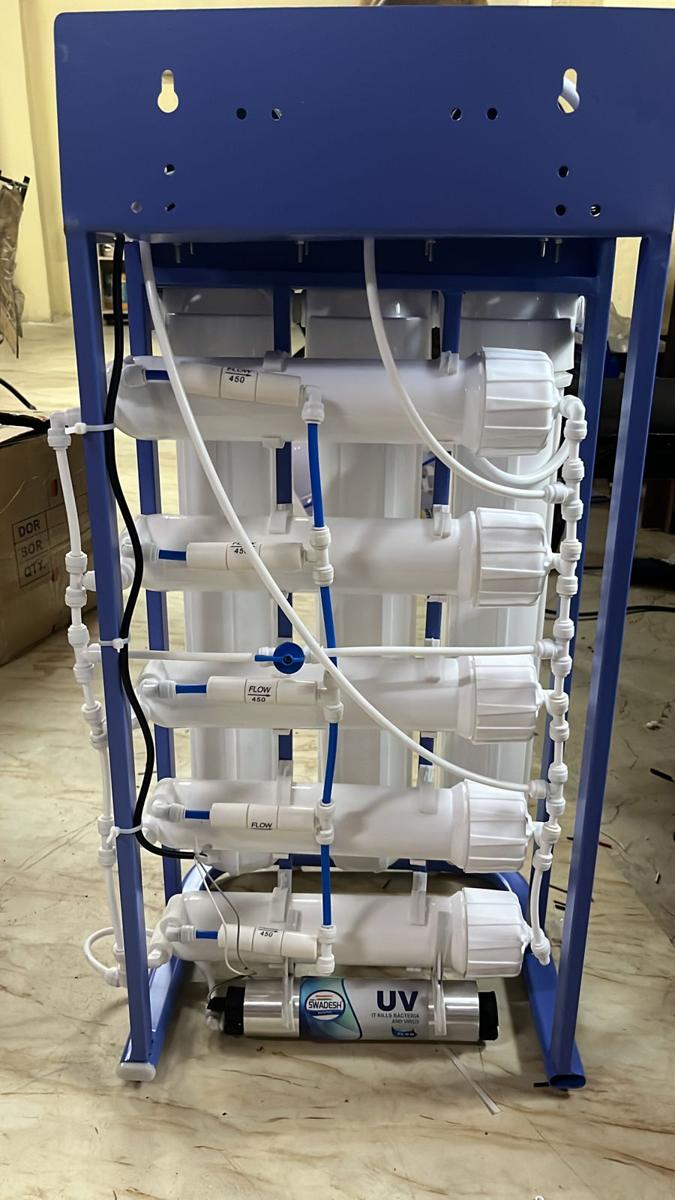
Four steps, four to six weeks
Apply
The school, a parent or a local supporter writes to us with the number of students and the water source.
Site survey
We test the source water, check storage and power, and size the unit to the school.
Installation
A reverse-osmosis and UV unit with a 500-litre storage tank, installed and handed over with a simple care sheet.
Maintenance
Quarterly filter changes and water testing for the first year are in the budget, not an afterthought.
Activities
- Reverse-osmosis drinking-water units in schools, with first-year maintenance.
- Free women's health check-up camps: blood pressure, haemoglobin, blood sugar, gynaecological consultation and referrals.
- Health awareness camps on hygiene, nutrition and safe water for families.
- Follow-up visits to schools and camp participants who were referred for treatment.
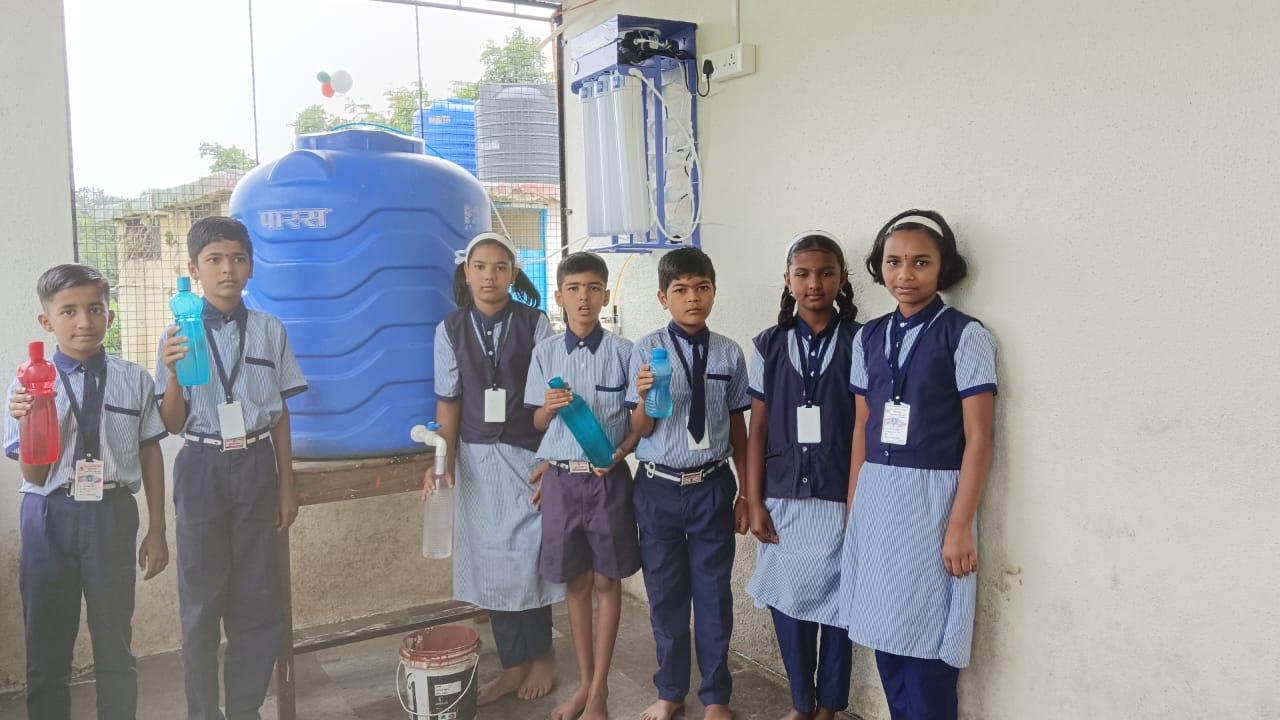
One empty bottle is the whole story
"Earlier the children brought two bottles from home. Now they bring one, empty," a teacher told us at the first school. Read how the unit went in and what changed.
Read the story